Blog COINS

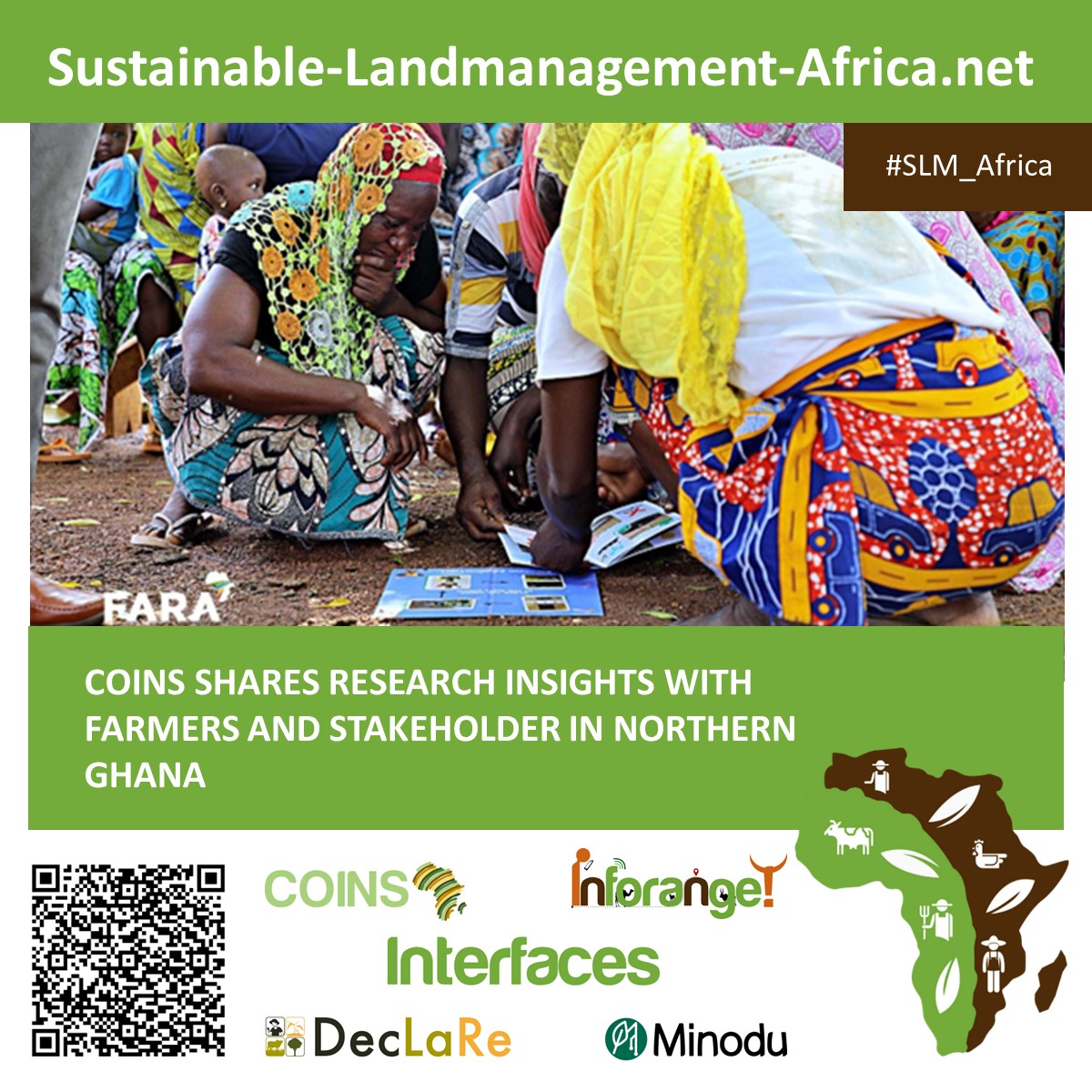
SHAPING THE FUTURE OF SUSTAINABLE LAND MANAGEMENT: COINS SHARES RESEARCH INSIGHTS WITH FARMERS AND STAKEHOLDERS IN NORTHERN GHANA

This current blog, prepared by the COINS team, shares insights into their final dissemination workshop. Three days of knowledge sharing on Integrated Soil Fertility Management and Systems of Rice Intensification to promote their adoption for sustainable and climate-resilient agriculture. The dissemination and closing workshop marked more than the conclusion of the COINS project: it demonstrated how collaborative research can generate practical, science-based evidence that incentivize farmers, inform policy, and strengthen sustainable land management across West Africa.

Read on

Available in en

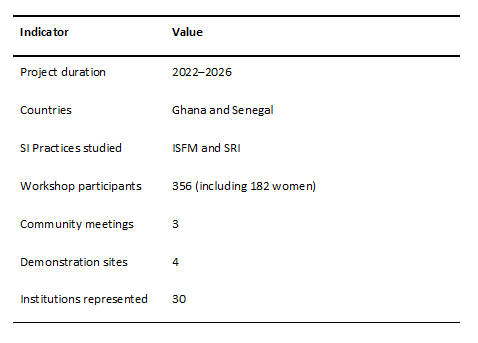
The Co-developing Innovations for Sustainable Land Management in West African Smallholder Farming Systems (COINS) project was established to address land degradation and challenges facing smallholder crop-livestock farming systems in semi-arid West Africa. Funded by the German Federal Ministry of Research, Technology and Space (BMFTR), the project brought together six German and seven African partners to develop context-specific, scalable and climate-resilient pathways for sustainable intensification. Through its Targeting, Enabling and Advising approach, COINS combined agronomic research, socio-economic analysis, Earth Observation, digital advisory tools, extension approaches, and financial and insurance mechanisms to support sustainable land management and its adoption by farmers. A defining feature of the project was its Innovation Living Lab approach, which created collaborative platforms where farmers, researchers, local institutions, and policymakers tested two locally adapted sustainable land management solutions – Integrated Soil Fertility Management (ISFM) and System of Rice Intensification (SRI) in northern Ghana and northern Senegal, respectively. These platforms ensured that scientific innovations were grounded in local realities while generating evidence to inform policy and practice.

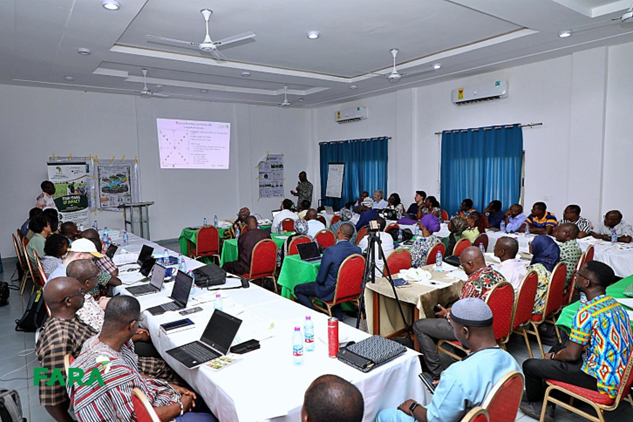
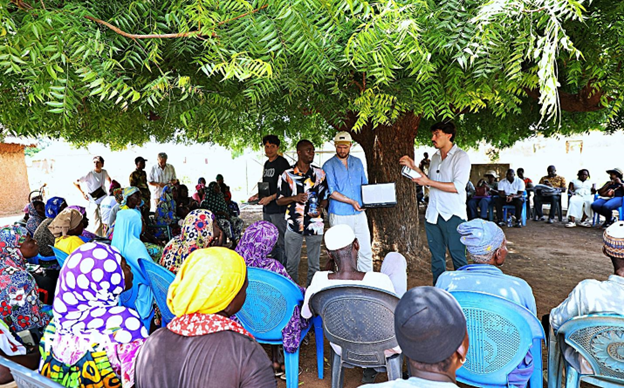
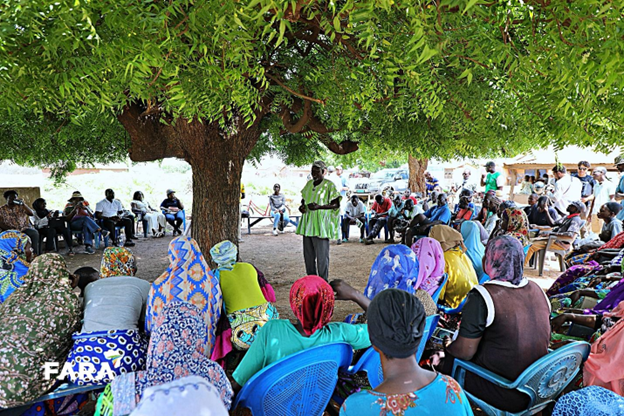
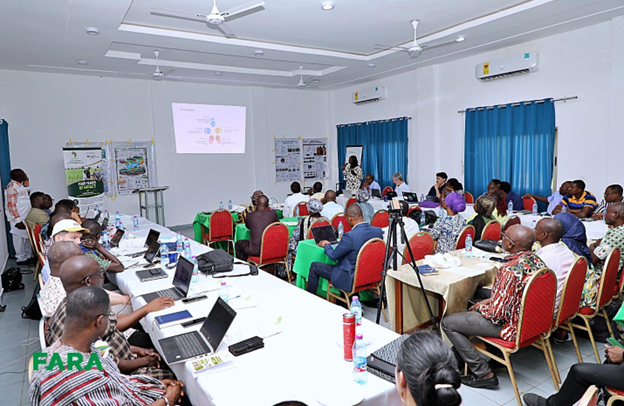
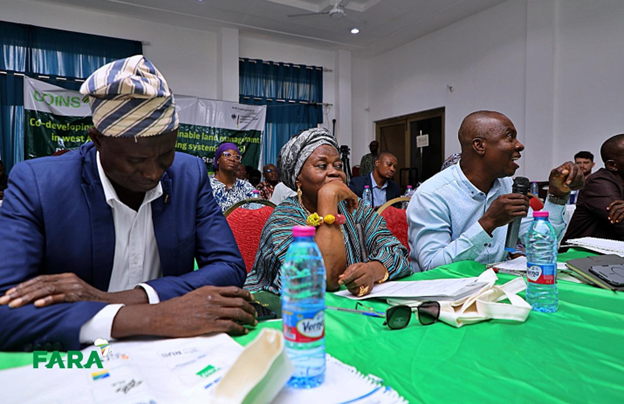
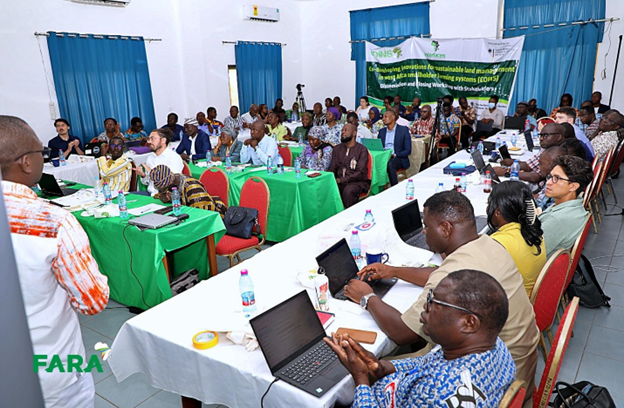
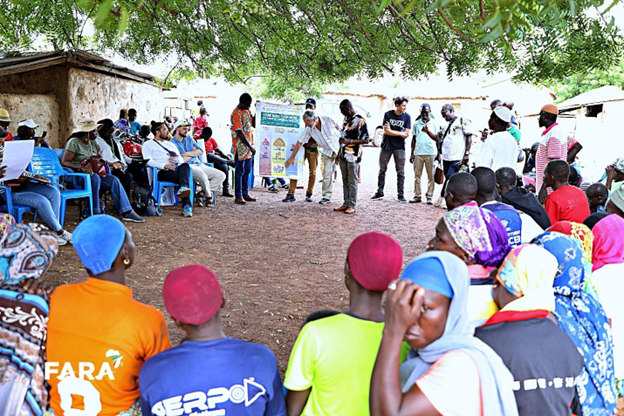
As COINS approached its conclusion, the project organized a 3-day dissemination and closing workshop from 7-9 July 2026 in northern Ghana. The first two days took research findings directly to farming communities in Mion, Savelugu, and Tolon districts, engaging 174 participants (108 women), 57 participants (32 women), and 54 participants (26 women), respectively. The final stakeholder workshop, held at the University for Development Studies (UDS), Tamale, brought together 71 participants (16 women) for broader engagement around the project’s findings. In total, the 3-day dissemination activities reached 356 participants, including 182 women, comprising farmers, researchers, agricultural extension officers, local authorities, project partners, and other actors involved in sustainable land management and the agri-food sector as a whole.

The workshop was particularly important in sharing the research findings with the communities that participated in the project, communicating the evidence in accessible ways, and creating opportunities for stakeholders to discuss and provide feedback on the results. It also helped strengthen the link between research, policy and practice and stimulate discussion on sustaining and scaling COINS innovations beyond the project.

Day 1-2: Community Workshops – Taking Science Back to the Communities

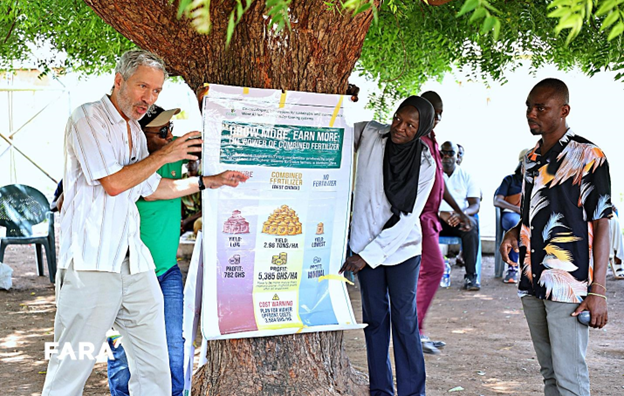
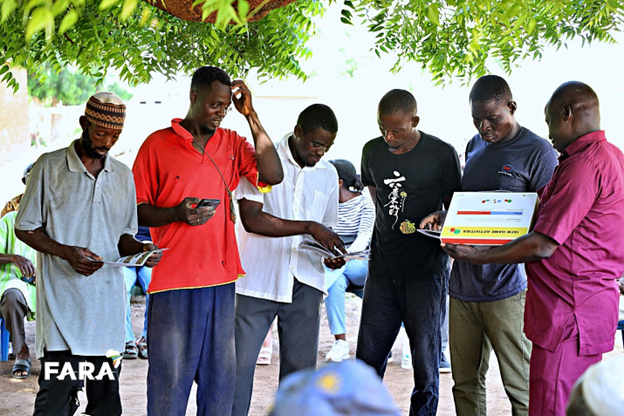
The first two days of the dissemination activities took COINS back to three farming communities—Mion, Savelugu, and Tolon—where farmers had contributed to the project’s research and Innovation Lab activities. Rather than presenting the findings as conventional scientific results, the project used infographics, illustrated posters, videos, local-language discussions, and interactive games to translate the evidence into practical messages that farmers could apply to their own fields, livelihoods, and farming decisions. The community sessions also provided opportunities for farmers to share their perspectives. This reflected the co-developing philosophy of COINS: research conducted with farming communities should ultimately return to those communities in a form they can be understood and used.

Day 3: Science Informs Policy and Practice

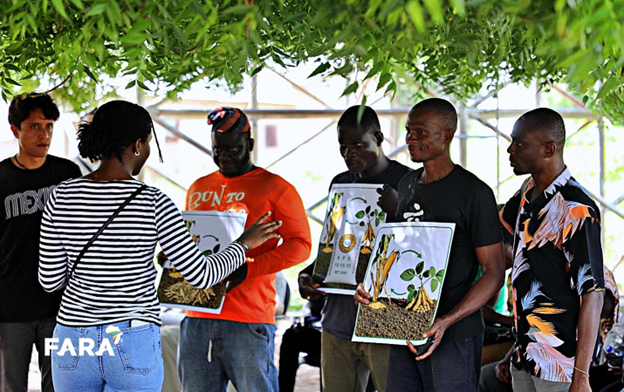
Following two days of engagement with farming communities, the final day shifted the focus to the broader science–policy–practice interface. The stakeholder workshop at UDS, Tamale, brought together members of INTERFACES’ Participatory Learning Platform (PLP), including representatives from government institutions, research and academia, agricultural extension services, NGOs, development partners, and farmer organizations, as well as five key representatives from each of the three project districts. These included the Director of Agriculture, Crop Officer, Extension Officer, Head of the Women in Agricultural Development Directorate (WIAD), and a Field Extension Agent. In addition, four ISFM farmer champions (two from Tolon and two from Savelugu) and representatives of the COINS project’s Agri-Water Hackathon participants took part. The workshop provided a platform to share and discuss COINS’ key scientific findings, gather stakeholder perspectives, and explore their implications for sustainable land management policy and practice.

Making Research Understandable

Communicating scientific findings effectively means presenting them in ways that are accessible, relevant and engaging for different audiences. During the COINS dissemination activities, the project therefore moved beyond conventional scientific presentations and adapted its communication approaches to the needs of participating communities and other stakeholders.

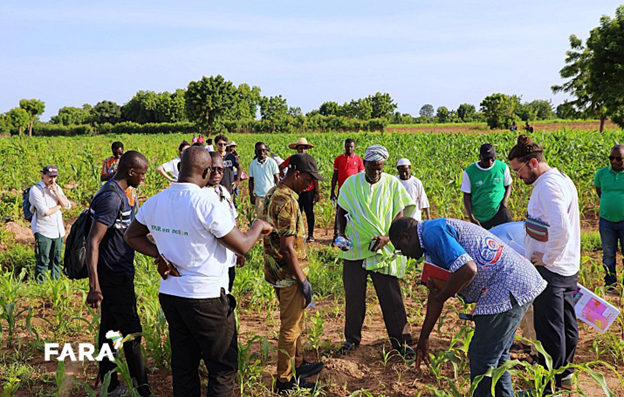
For the community workshops, key findings were translated into simple infographics, illustrated posters, interactive activities, and videos to be presented and translated into local language by session facilitator. This allowed complex findings on ISFM to be communicated in practical and relatable ways. Moreover, findings from the demonstration plots were presented directly by local champion farmers. This approach reflected COINS’ broader emphasis on participatory learning and the co-development of solutions with farmers and other stakeholders through its Innovation Labs.

For researchers, policymakers, extension services, and other stakeholders, more detailed scientific results were presented and discussed during the final workshop.

Key Messages Shared

A central message was that ISFM has a strong potential to improve productivity and profitability while also delivering co-benefits, e.g. restoring the ecological function of farming systems. Stakeholders were shown that, in northern Ghana, based on crop-modelling results combining organic and inorganic fertilizers produced on average nearly three times the maize yield of manure alone, delivered the highest gross margins (GHS 5,385/ha), and achieved strong overall sustainability performance. However, these benefits required higher upfront investment, with production costs reaching GHS 3,504/ha, and remained potentially vulnerable to climatic risks. This reinforced the need to combine improved agronomic practices with appropriate financial and risk-management support.

While ISFM therefore represented an important pathway for sustainable intensification in Northern Ghana, SRI provided a corresponding pathway for improving the sustainability of irrigated rice production in the Senegal River Valley. Compared with conventional farming practice, SRI increased rice yields by 1.6 t/ha while reducing expenditure on seeds, irrigation, fertilizers, labor, and phytosanitary products, resulting in an additional profit margin of CFA 606,500/ha (IPAR, 2025). These findings highlight the potential of SRI to improve farm profitability while promoting more efficient use of water and agricultural inputs.

The soil and biodiversity findings provided an equally important message: “Good soil = more life = better farming.” Soil quality under ISFM was better than under conventional farming, and in some cases even better than the natural savannah reference. ISFM strongly improved soil health, particularly in the topsoil. Improvements were much smaller in the subsoil, showing that the strongest benefits occurred where management practices were directly applied. The biodiversity results told a similar story. ISFM farms supported more insect diversity than conventionally managed farms, in some cases reaching or exceeding levels observed in natural savannah. The practical message was that ISFM can help rebuild soil quality while maintaining more life in the field.

The discussions also placed farmers’ experiences at the center. Evidence from 1,000 farmers across the three districts showed strong recognition of the environmental, economic, and social benefits of ISFM, but also revealed persistent barriers to adoption, including limited access to finance, equipment, inputs, and information.

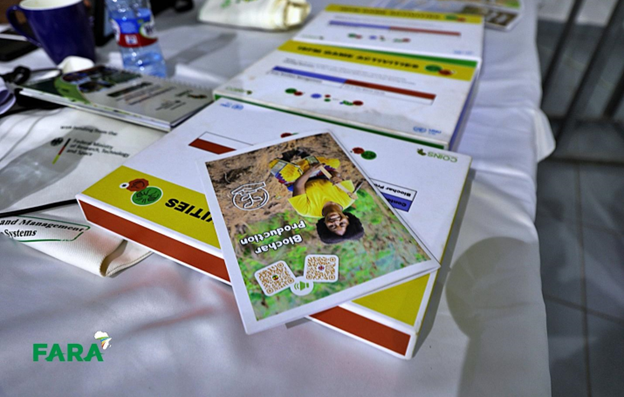
Interactive activities were conducted with farmers. First, we presented our modelling results, showing how different combinations of ISFM components, namely crop rotation, organic and mineral fertilizers, and minimum tillage, affect benefits over time and in the presence of drought. The main message was that the choice and combination of ISFM components matter for building resilience to climate shocks. The second activity showed that measured levels of farmers’ patience vary depending on how patience is elicited, with implications for the design and targeting of policies that require farmers to invest today for future benefits. Finally, the farmers played interactive card games and read picture-based story books on crucial ISFM practices.

COINS also shared evidence with policymakers showing that making insurance conditional on the adoption of drought-tolerant varieties increases technology adoption.

COINS findings highlight the importance of combining appropriate practices and creating conditions that support farmers’ adoption of sustainable intensification practices. In northern Ghana, ISFM can improve productivity, profitability, soil health, biodiversity and resilience, while SRI offers important productivity and economic benefits for irrigated rice systems in Senegal.
Looking Beyond COINS

The evidence and lessons generated through COINS provide a strong foundation for moving from research and demonstration toward implementation and scaling. A key opportunity lies in developing and testing incentive mechanisms that reduce the risks and financial barriers farmers face when adopting climate-smart and sustainable land management practices. Testing and implementing the insurance solutions already developed under the project, alongside exploring risk-adjusted premium incentives (discounts) for farmers adopting ISFM practices could encourage wider uptake and strengthen farmers’ resilience to climate risks. Such approaches offer a pathway for translating COINS innovations into practical and scalable solutions for smallholder farmers.

A Collaborative Achievement

The achievements of COINS reflect the collective efforts of a diverse consortium and the many stakeholders who contributed throughout the project. With funding from the German Federal Ministry of Research, Technology and Space (BMFTR), the consortium, led by the German Aerospace Center (DLR), brought together the Ruhr University Bochum (RUB), Leibniz Centre for Agricultural Landscape Research (ZALF), University of Bonn (UniBonn), University of Hohenheim (UHOH), United Nations University Institute for Environment and Human Security (UNU-EHS), West African Science Service Centre on Climate Change and Adapted Land Use (WASCAL), Council for Scientific and Industrial Research–Savanna Agricultural Research Institute (CSIR-SARI), Initiative Prospective Agricole et Rurale (IPAR Think Tank), University of Ghana, United Nations University Institute for Natural Resources in Africa (UNU-INRA), MANOBI-Africa, and Agriculture and Climate Risk Enterprise (ACRE Africa).

Equally important were the farming communities in Ghana (Tolon, Savelugu, and Mion) and Senegal (Podor and Dagana), whose participation helped ground the research in local realities. Champion farmers contributed by testing and demonstrating sustainable land management practices and sharing their experiences, while participating students supported research and learning across the project. Government institutions, agricultural extension services, farmer organizations, and other stakeholders, particularly those that were part of the Innovation Labs, also played important roles in implementation, knowledge exchange, and the translation of research into practice. This collaboration between science, farming communities, government, extension, development actors, and the private sector has been central to COINS and provides a strong foundation for sustaining and scaling its achievements beyond the project.

Closing Message

The dissemination and closing workshop marked more than the conclusion of the COINS project. It demonstrated how collaborative research can generate practical, science-based evidence that incentivize farmers, inform policy, and strengthen sustainable land management across West Africa. By placing our project communities at the center of knowledge sharing while engaging policymakers and other stakeholders with rigorous scientific evidence, COINS leaves a lasting foundation that provides opportunities for large scale implementation and scaling of incentive mechanisms for ISFM and SRI leading to sustainable and climate-resilient agriculture well beyond the life of the project.